Blog
June 12, 2026
Why Community Donations to Goodwill Matter
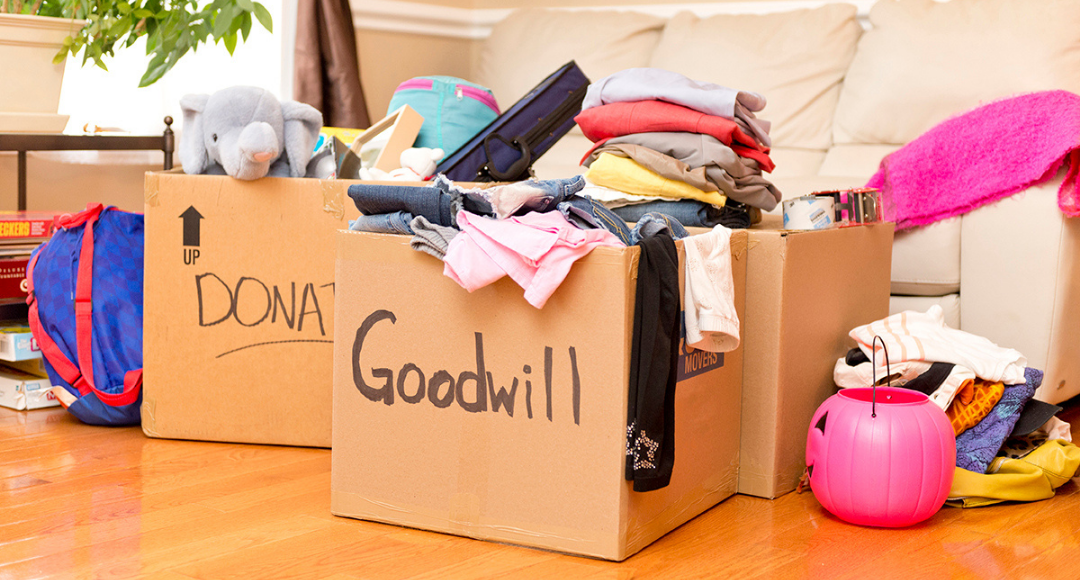
Every year, millions of people open their closets, garages, and storage rooms and ask a simple question: “What can I give?” That decision to donate rather than discard might seem small, but its ripple effect across your community is profound.
At Goodwill Industries of Greater Cleveland and East Central Ohio, we've seen firsthand how a donated jacket becomes a job interview outfit, how a used laptop enables a student's scholarship, and how a secondhand sofa furnishes a first apartment after a life crisis. Community donations are the engine that powers it all.
1. Donations Power Job Training & Employment
Goodwill's mission is built on workforce development. Revenue generated from donated goods funds job training programs, career counseling, and employment placement services — all at no cost to participants. When you donate your clothing and household items to Goodwill, you're not just clearing clutter, you're funding opportunity.
In the past year alone, your Goodwill helped:
-
Nearly 28,000 individuals through our mission and outreach programs
- People find jobs, learn digital skills, learn parenting skills, get hot meals, receive free counseling after sexual assault and so much more
-
Youth in underserved communities gain work experience through our youth programs
The funding for all these programs traces back directly to the community's generosity at the donation drop-off.
2. Giving Keeps Goods Out of Landfills
The United States generates approximately 292 million tons of municipal solid waste per year, and a significant share comes from textiles, electronics, and household goods. Choosing to donate to Goodwill instead of discarding is one of the most impactful environmental decisions an individual can make.
When you donate to Goodwill:
-
Clothes avoid incinerators and landfills, reducing greenhouse gas emissions
-
Electronics are refurbished or responsibly recycled through certified e-waste programs with Dell Re-Connect
-
Furniture and appliances find second (and third) homes, reducing resource consumption
-
The circular economy is strengthened, making sustainability accessible for everyone
Your local Goodwill diverted 29.1 million pounds of usable goods from landfills last year, and your donations are a direct contribution to that effort.
3. Your Donation Supports Neighbors in Need
Goodwill stores are more than retail shops. They are community resource centers. Affordable pricing ensures that families experiencing financial hardship can access quality clothing, furniture, school supplies, and household essentials without sacrificing their dignity.
Consider the impact of a single donation bag:
-
A donated suit helps a jobseeker present their best self in an interview
-
Children's books support early literacy for low-income families
-
Donated tools help tradespeople rebuild their livelihoods after job loss
-
Household items furnish the homes of survivors escaping domestic violence
These are not abstractions; they are real stories happening in Goodwill stores in your community in the greater Cleveland and east central Ohio areas.
4. Donations Build Local Economic Ecosystems
Goodwill is a locally operated nonprofit in every community it serves. That means the money generated from your donations stays in your neighborhood. It funds local payroll, local services, and local programs helping create a multiplier effect that strengthens the regional economy.
Every Goodwill location:
-
Creates meaningful jobs for people who face barriers to employment
-
Keeps donated dollars circulating locally rather than leaving the community
-
Partners with other nonprofits, social services, and city programs
-
Provides affordable shopping that reduces financial strain on working families
5. The Act of Giving Strengthens Community Bonds
Generosity is contagious. When neighborhoods organize donation drives, when families declutter together for a cause, when workplaces hold charity collections, it creates shared purpose and a sense of belonging. Donating to Goodwill is a good way to say: “I care about the people who live near me.”
Research consistently shows that behavior such as giving, volunteering, and sharing boosts mental well-being, reduces isolation, and builds the social trust that makes communities resilient in times of crisis. Your donations are not just transactions; they are acts of connection.
How to Donate: It's Easier Than You Think
Getting started is simple:
-
Drop off: Bring gently used items to your nearest Goodwill store or donation center
-
Schedule a donation trailer: Our Mobile Donation Centers offer a convenient way for you to donate large quantities of items — perfect for estate cleanouts or after neighborhood garage sales.
-
Organize a donation drive: Rally your school, church, or workplace to collect donations together
Accepted items include clothing, shoes, accessories, furniture, electronics, housewares, books, toys, and more. Tax receipts are provided for all eligible donations.
The Bottom Line
Community donations to Goodwill are not charity in the traditional sense; they are an investment. When you donate to Goodwill, you invest in your neighbor's ability to land a job, in your city's environmental health, in the dignity of families stretching every dollar, and in the social fabric that holds communities together.
The next time you reach for the trash bag, consider donating instead. That simple choice, multiplied by thousands of your neighbors making the same decision creates something extraordinary: a community that takes care of its own.
Click here to find your nearest Goodwill donation center. Thank you for giving back.